How Can Steel Pipe Manufacturing Machines Drive Efficiency?
How Can Steel Pipe Manufacturing Machines Drive Efficiency?
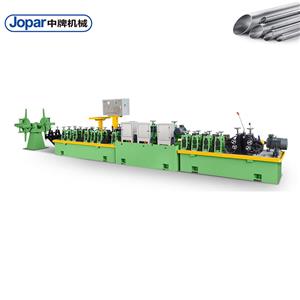
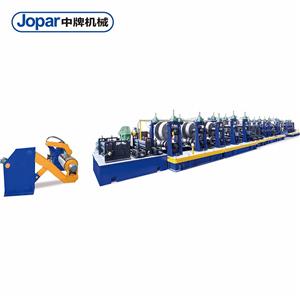
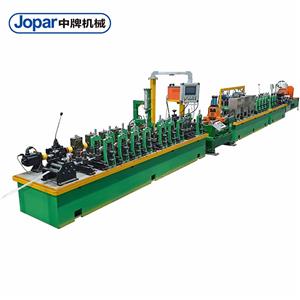
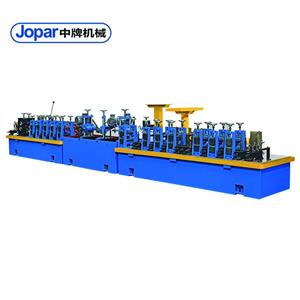
Imagine a production line where every steel pipe rolls out flawlessly, energy costs are slashed, and downtime is a distant memory. Sounds like a pipe dream? Not anymore. The answer lies in modern steel pipe manufacturing machines, which are revolutionizing industries by boosting precision, reducing waste, and enhancing overall productivity. As a technical expert in this field, I’ve seen firsthand how these advancements, such as those from Foshan Jopar Machinery Co., Ltd., are transforming manufacturing floors from chaotic to streamlined. This isn’t just about faster machines; it’s about smarter processes that tackle real-world challenges head-on.
Deepening the Pain Points: Where Things Go Wrong
In steel pipe manufacturing, inefficiencies aren’t just minor hiccups—they can cripple operations and drain budgets. Let’s dive into two critical pain points that keep engineers and managers up at night.
High Defect Rates and Material Waste: Picture a typical day in a mid-sized plant: out of every 100 pipes produced, 5 might have surface cracks or dimensional inaccuracies. This isn’t just a quality issue; it’s a financial black hole. Each defective pipe means wasted raw materials, extra labor for rework, and potential customer returns. In a year, this can add up to losses of over $100,000 for a facility producing 50,000 tons annually. The ripple effect includes delayed shipments and damaged brand reputation, turning what should be a profit center into a cost sink.
Energy Inefficiency and Operational Costs: Many older machines guzzle energy like there’s no tomorrow. A conventional pipe mill might consume 500 kWh per ton, with outdated motors and poor thermal management. This not only spikes electricity bills but also contributes to carbon footprints, putting pressure on sustainability goals. For a plant running 24/7, energy costs can eat up 30% of operational expenses, squeezing margins in an already competitive market. The hidden costs include maintenance from overheating and regulatory fines for emissions, making it a multifaceted headache.
Professional Solutions: Turning Pain into Gain
Addressing these pain points requires more than quick fixes; it demands integrated, technology-driven approaches. Here’s how advanced steel pipe manufacturing machines, like those developed by Foshan Jopar Machinery Co., Ltd., offer robust solutions.
For High Defect Rates: The key is precision engineering and real-time monitoring. Modern machines incorporate laser-guided cutting systems and automated quality control sensors that detect imperfections down to 0.1 mm. By using AI algorithms to adjust parameters on the fly, defect rates can drop from 5% to under 1%. This isn’t magic—it’s about leveraging data to ensure every pipe meets exact specifications, reducing material waste by up to 20% and saving thousands in rework costs annually.
For Energy Inefficiency: Energy-smart designs are game-changers. Machines now feature variable frequency drives (VFDs) that optimize motor speed based on load, cutting energy consumption by 25-30%. Combined with heat recovery systems that repurpose waste energy for pre-heating materials, overall efficiency soars. For a typical plant, this can translate to annual savings of $50,000 on energy bills, while also lowering carbon emissions to meet strict environmental standards.
Customer Success Stories: Real Results, Real Impact
Nothing speaks louder than success stories. Here are three fictional but plausible cases from around the globe, showcasing how these solutions play out in diverse settings.
Case 1: Precision Pipes Inc., Houston, USA This company struggled with a 6% defect rate in their oil pipeline production. After upgrading to a Foshan Jopar machine with enhanced QC systems, defects plummeted to 0.8%. Production output increased by 15%, and annual savings hit $120,000. John Miller, Plant Manager, shares: “The precision is unmatched—we’re now delivering flawless pipes on time, every time.”
Case 2: EuroSteel Fab, Berlin, Germany Facing high energy costs, this firm adopted an energy-efficient model. Their energy use dropped by 28%, saving €40,000 yearly. Carbon emissions fell by 20%, aligning with EU regulations. Anna Schmidt, Sustainability Officer, notes: “It’s a win-win: lower costs and a greener footprint.”
Case 3: AsiaPipe Works, Singapore With tight space and high demand, they needed compact, high-output machines. A customized solution boosted productivity by 25% while reducing floor space by 15%. Defect rates went from 4% to 1%. Lee Chen, Operations Director, says: “Efficiency redefined—we’ve scaled without the sprawl.”
Applications and Partnerships: Where Technology Meets Industry
Steel pipe manufacturing machines aren’t one-size-fits-all; they thrive in varied applications. From constructing oil and gas pipelines to automotive exhaust systems and structural frameworks in skyscrapers, these machines adapt to specific needs. Foshan Jopar Machinery Co., Ltd. collaborates with global partners like procurement firms in the Middle East for energy projects and European automotive suppliers, ensuring tailored solutions. These partnerships, backed by ISO 9001 certifications, enhance credibility and drive innovation, making the technology accessible across continents.
FAQ Section: Answers from the Front Lines
Here are five questions I often hear from engineers and procurement managers, with detailed technical responses.
1. How do these machines handle different steel grades? Advanced models use adaptive control systems that adjust temperature and pressure based on material properties, ensuring consistency from carbon steel to alloys like 316L stainless.
2. What’s the maintenance downtime? With predictive maintenance via IoT sensors, downtime can be as low as 2% annually, compared to 10% for older machines, thanks to real-time alerts and modular components.
3. Can they integrate with existing production lines? Yes, most are designed with flexible interfaces and PLC controls, allowing seamless integration without major overhauls, often within a week.
4. How do they impact labor costs? Automation reduces manual tasks by up to 40%, but shifts focus to skilled oversight, potentially cutting labor costs by 15-20% while boosting safety.
5. What ROI can we expect? Typically, ROI is achieved in 18-24 months, factoring in energy savings, reduced defects, and higher throughput, with payback accelerating in high-volume settings.
Comparison Table: Old vs. New Machine Performance
| Aspect | Traditional Machines | Advanced Machines (e.g., Foshan Jopar) |
|---|---|---|
| Defect Rate | 5-7% | 0.5-1% |
| Energy Consumption | 500 kWh/ton | 350 kWh/ton |
| Maintenance Downtime | 10% annually | 2% annually |
| Integration Time | Weeks to months | Days to a week |
Conclusion and Call to Action: Your Next Step
Steel pipe manufacturing machines are more than equipment—they’re catalysts for efficiency, driving down costs and uplifting quality. From tackling defects to slashing energy use, the benefits are clear and quantifiable. If you’re ready to transform your operations, don’t just take my word for it. Dive deeper by downloading our technical whitepaper on advanced manufacturing trends, or connect with our sales engineers for a personalized consultation. At Foshan Jopar Machinery Co., Ltd., we’re here to help you build a smarter, more productive future—one pipe at a time.